Have you ever heard strange noises from your taps? If so, it is due to fluctuating water pressure in the pipes. Excessive or insufficient water pressure can damage your plumbing system, and understanding water pressure is important for your comfort and your home’s maintenance.
What Is Water Pressure?
Water pressure is the force that pushes water through your pipes. It is measured in pounds per square inch (PSI). The right water pressure determines the movement of water from the main supply to your taps, toilets and appliances.
The ideal water pressure in homes is between 40–60 PSI, however, 40 to 80 PSI is considered an acceptable range. Water pressure above 80 PSI is considered too high, while below 40 PSI is considered too low for proper movement of the water.
Symptoms of High Water Pressure
High water pressure can cause serious stress and damage to your plumbing system. You can identify high water pressure by noticing the following symptoms:
- Frequent leaking of faucets or running toilets.
- Sounds like banging or knocking from pipes.
- Sudden failure of appliances.
- High water bills due to excessive usage.
- Shortened lifespan of plumbing systems.
- Forceful spurting of water when turning on a tap.
Symptoms of Low Water Pressure
Low water pressure can affect your routine by making your daily work less efficient. You can identify low water pressure by noticing the following symptoms:
- Slow water flow from taps and toilets.
- Slow refilling of toilets.
- Dripping water even when taps are fully open.
- Slow filling and running of the appliances.
- Inefficient performance of sprinklers or hoses.
- Inconsistent water temperature or pressure.
Causes of High Water Pressure
Several factors cause high water pressure, like municipal supply pressure, lack of pressure-reducing valve (PRV), thermal expansion, and new plumbing installations.
Water is delivered at high pressure in some areas to reach tall buildings and fire hydrants, however, homes at lower elevations bear its high pressure. Homes without a pressure-reducing valve may also receive water with unregulated pressure from the main line. The hot water in your water heaters expands if it has nowhere to go, increasing pressure within your system. The water flow and pressure also fluctuate if you change or upgrade your plumbing.
Causes of Low Water Pressure
Low pressure can be caused by several issues, including clogged pipes or fixtures, leaking pipes, partially closed shut-off valves, corroded plumbing, or issues with the municipal supply.
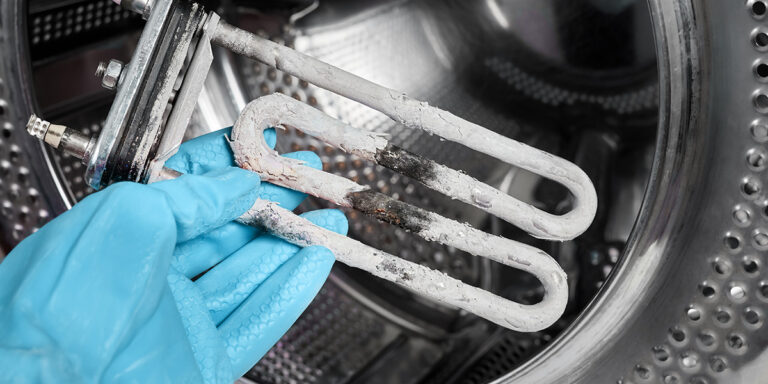
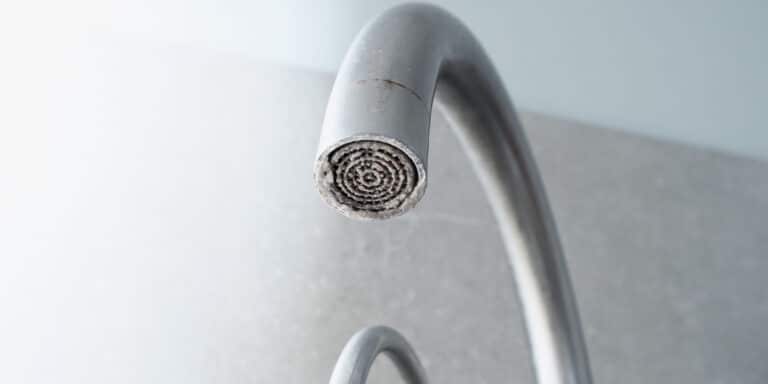
Water flow can be restricted by mineral deposits like calcium, which can build up inside pipes or faucets. Leaks also waste water and lower its pressure, resulting in high water bills. Main water valves or local valves, when not fully open, restrict water flow. Older galvanized steel pipes can corrode from the inside, narrowing the flow passage, however, sometimes the problem is in municipal supply pressure.
Risks of High or Low Water Pressure
- Poor appliance performance.
- Leaks and pipe damage due to excessive force.
- Difficulty in daily tasks, like showering or doing laundry.
- Higher utility bills due to water wastage.
- Risk of pipe bursts and flooding.
- Long laundry or dishwasher cycles.
- Hidden leaks or system blockages.
- Increased wear and tear of faucets and fixtures
- Reduced fire protection from sprinkler systems.
- Damage to appliances like water heaters, dishwashers.
How to Check Water Pressure
Checking your water pressure is simple and can be done with a water pressure gauge. Turn off all water appliances, like showers, dishwashers, washing machines, etc. Attach the gauge to an outdoor hose bib or a faucet near the main water line. Turn on the faucet fully and check the reading on the gauge. The reading 40-60 PSI indicates an ideal water flow, while below 40 PSI hints at low and above 80 hints at high water flow.
How to Ensure the Right Water Pressure
If your water pressure is too high, check and regulate the incoming pressure with a pressure-reducing valve. To manage thermal expansion, use expansion tanks on water heaters. Hire a plumber to inspect and adjust the system if needed.
If your water pressure is too low, clean the faucet aerators and showerheads to remove mineral build-up. Check for leaks in pipes and fixtures. Replace old corroded pipes and check if the valves are fully open. If the municipal supply is weak, you can install a water pressure booster pump.
Contact Us
Are you facing water pressure problems in your home? Call CGC Home Services for expert plumbing in Jacksonville, FL. Our professional plumbers inspect your plumbing system and ensure a balanced water pressure, which is perfect for your home.