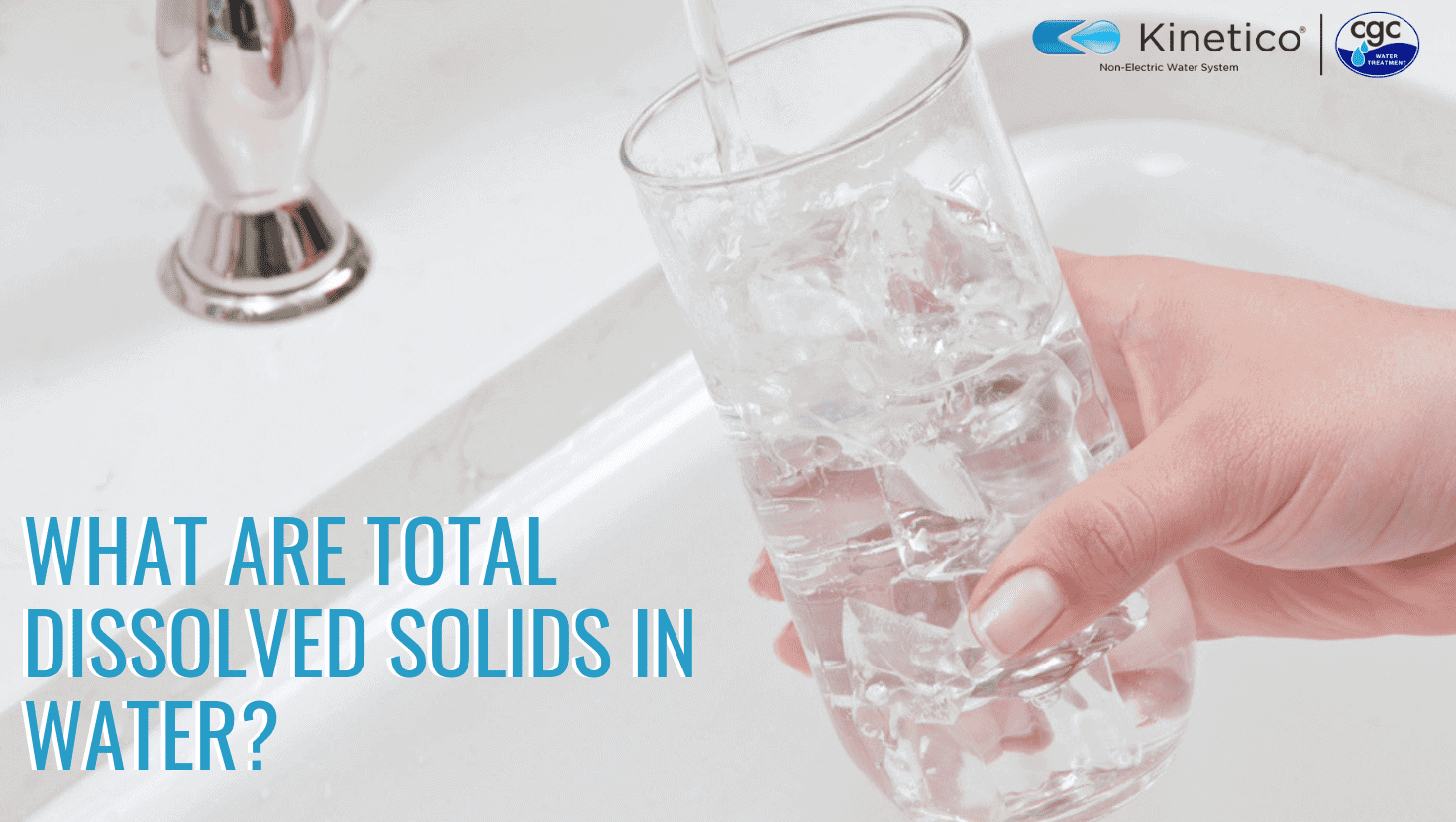
A total dissolved solid, also known as TDS, measures the total amount of inorganic and organic substances in a liquid.
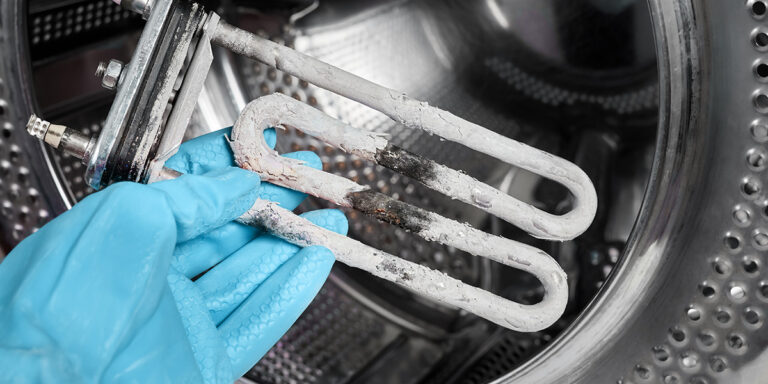
A high level of TDS typically indicates hard water, which can result in scale build up in appliances, pipes, and hot water tanks. In addition to reduced lifespan, scale buildup can increase maintenance cost and impact performance.
Furthermore, consuming water with a high TDS can impact your health (more on this below).
Many of the most common dissolved inorganic water contaminants exist as ions in water. Some of these include:
- Calcium
- Magnesium
- Sodium
- Iron
- Manganese
- Bicarbonate
- Chloride
- Sulfate
- Nitrate
- Carbonate
Generally speaking, these water contaminants have no impact on human health, making it okay to use water supplies with inorganic water contaminants. However, if present in large quantities, some types of contaminants can be toxic. This is why it’s important to protect against all contaminants.
In addition to inorganic contaminants, water can also contain organic contaminants, which includes anything that enters the water as the result of human activity. Examples include pesticides and insecticides.
Should You Measure TDS Levels?
If you have any concerns about your home’s water quality – and even if you don’t – it’s good practice to regular measure TDS levels.
When TDS levels reach 1,000 parts per million (ppm) or higher, you should take immediate action. This means the water is not fit for consumption.
Upon professional investigation, you’ll gain a better understanding of why your TDS level is high and what you can do about it.
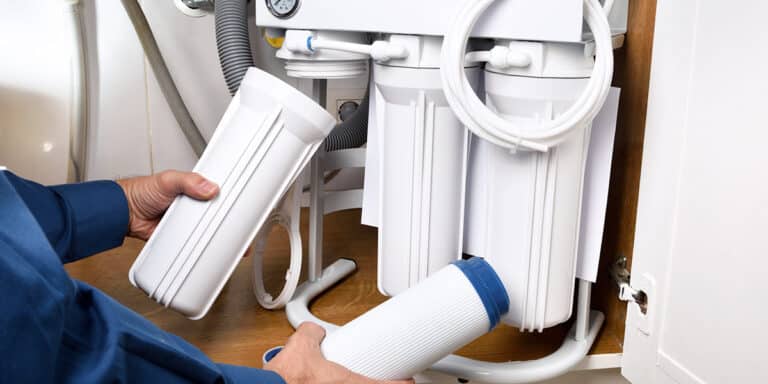
For peace of mind, regardless of your current TDS level, consider installing a whole house water purification system. With this in place, you’ll have peace of mind in knowing that every ounce of water you come into contact with has been purified.
Tip: even if you have a purification system in place, continue to regularly monitor for TDS.
The water you come in contact with should never have a negative impact on your health. If you have any concerns about water contaminants, don’t wait another day to take action.