
As a homeowner, you turn on the tap dozens of times each day without a second thought. But what’s really flowing through your pipes? Invisible contaminants like lead and arsenic can lurk in water that looks, smells and tastes perfectly normal. These hidden threats and other water quality issues put your family’s health at risk while damaging your home’s plumbing and shortening the lifespan of expensive appliances.
Water quality testing provides the clarity you need to protect what matters most. When you know what you’re dealing with, you can take action with confidence.
Why Water Quality Testing Matters for Your Home
Your water quality affects more than just what you drink. Every shower, load of laundry and meal prepared in your kitchen relies on the water flowing through your home. Understanding what’s in your water helps you protect both your family’s health and your home’s value.
- Invisible contaminants/health risks: Lead affects cognitive development in children and causes cardiovascular issues in adults. Arsenic increases cancer risk with long-term exposure. Research has found that roughly 45% of U.S. tap water is estimated to contain per- and polyfluoroalkyl substances (PFAS), synthetic chemicals linked to serious health concerns.
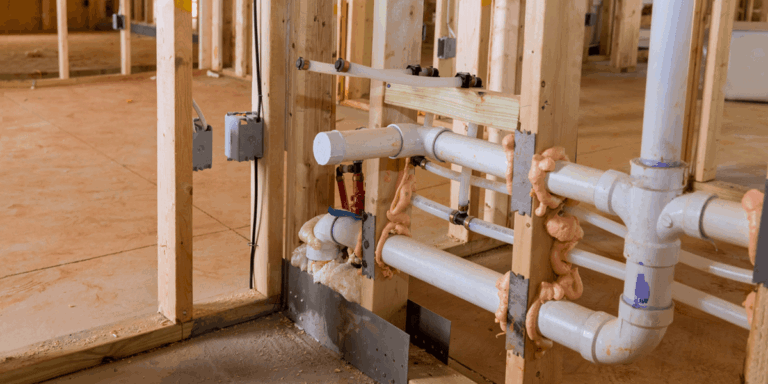
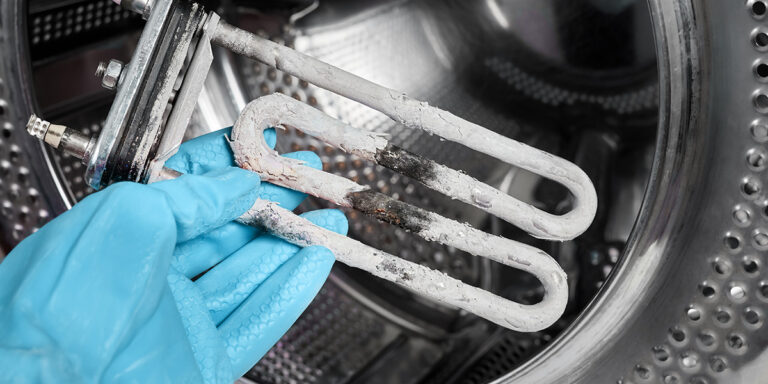
- Plumbing system damage: Acidic water corrodes plumbing fixtures and water heaters, leading to costly repairs. Hard water deposits build up inside pipes, reducing water pressure and efficiency.
- Shortened appliance lifespan: Mineral buildup from untreated water shortens the lifespan of dishwashers, washing machines and other appliances.
Water quality testing helps you identify these issues before they escalate into expensive problems.
When Should You Test Your Home’s Water?
How often you should test your water depends on your water source, your home’s age and any specific concerns. Whether you rely on a private well or municipal water system, regular testing provides essential information about what’s flowing through your taps.
Municipal Water Systems
Consider testing if your home was built before 1986, if you’ve noticed changes in water taste or appearance or if you have concerns about your plumbing materials.
City water undergoes treatment and regular monitoring, but that doesn’t guarantee perfect quality at your tap. While the Environmental Protection Agency (EPA) sets standards for public water systems and regulates over 90 contaminants, issues can arise in the service lines connecting to your home. Older homes can have lead pipes or copper pipes with lead solder that corrode and release lead into your drinking water.
Municipal water reports show contaminant levels at the treatment plant, not at your specific address. Testing your home’s water quality reveals what’s actually coming out of your faucets.
Private Well Systems
Homeowners with private wells carry full responsibility for their water’s safety. Unlike municipal systems, well water receives no treatment or monitoring from public utilities. The Centers for Disease Control and Prevention (CDC) recommends testing well water at least once a year for total coliform bacteria, pH levels, total dissolved solids and nitrates.
Michigan wells face particular concerns with arsenic and iron. Testing should expand beyond the basic annual checks if your well is located near agricultural land, septic systems or areas with known contamination.
What to Test for in Your Home’s Water
Different contaminants pose different risks to your health and home. The EPA categorizes drinking water contaminants into several groups, including physical, chemical, biological and radiological. Testing for the most common threats helps you understand your water’s safety and quality.
- Bacteria: Coliform bacteria indicate fecal contamination and the potential presence of harmful pathogens that cause gastrointestinal illness.
- Lead: This toxic metal leaches from old pipes and plumbing fixtures, particularly in homes built before 1986, causing neurological damage.
- PFAS: These synthetic “forever chemicals” persist in the environment and accumulate in the body, linked to immune system effects and certain cancers.
- Arsenic: Common in groundwater, this naturally occurring element increases cancer risk with prolonged exposure.
- Nitrates: Often from agricultural runoff, high nitrate levels pose serious risks to infants and pregnant women.
- Hardness minerals: Calcium and magnesium found in hard water create scale buildup in pipes and appliances.
- pH: Acidic water corrodes pipes and fixtures, while alkaline water can taste bitter and leave deposits.
- Chlorine and chloramines: These municipal treatment disinfectants can affect water taste and odor.
- Iron: The presence of iron in water causes staining on fixtures and laundry and can support bacterial growth.
DIY Home Water Testing vs. Professional Water Testing
You have two main options for testing your water quality. Understanding the strengths and limitations of each approach helps you make the right choice for your situation.
DIY Test Kits
Basic home water test kits provide a quick screening tool for common issues. These kits typically use test strips or color-change reagents to detect contaminants like chlorine, pH, hardness, iron and bacteria.
These kits work well for initial assessments or monitoring known issues over time. However, they have significant limitations. Results can be less accurate than laboratory analysis, particularly for trace contaminants. Most kits test for only a handful of common issues, missing potentially dangerous contaminants like PFAS, arsenic or lead at low concentrations.
Professional Water Testing
Professional water testing delivers comprehensive analysis from certified laboratories. Water samples undergo rigorous testing procedures that detect a wide range of contaminants at precise concentrations.
Laboratory-grade equipment identifies issues that home kits can’t detect, providing measurements accurate enough to guide important decisions. Professionals can also explain what elevated levels mean and which treatment solutions best address your specific concerns.
Interpreting Your Water Test Results
Understanding your water quality report requires familiarity with key parameters and their acceptable ranges. Professional water tests measure contaminant concentrations in parts per million (ppm) or parts per billion (ppb). The EPA establishes Maximum Contaminant Levels (MCLs) for regulated substances.
Common parameters and what they indicate:
- Bacteria counts: Elevated levels indicate immediate health risks requiring prompt action.
- Lead levels: Concentrations above 15 ppb suggest corrosion in your plumbing system.
- Hardness: Levels as low as 60/ppm can produce scale buildup that can damage appliances.
- pH levels: Readings below 6.5 or above 8.5 can corrode pipes or leave deposits.
Professional guidance makes the difference between raw data and actionable solutions. Experts can identify patterns across multiple parameters, explain how different contaminants interact and prioritize which issues to address first.
Tailored Solutions for Your Water Quality Needs
Once you know what’s in your water, you can choose water treatment solutions designed to address your specific concerns. Different systems target different contaminants, so matching the solution to your water quality test results ensures effective treatment.
Water Softeners
High-efficiency water softeners are the most effective solution for hard water, using ion exchange to remove calcium and magnesium minerals. Softened water extends appliance lifespan, improves soap and detergent performance, and leaves your skin and hair feeling softer.
Reverse Osmosis (RO) Systems
For the highest level of contaminant removal, reverse osmosis stands out. A reverse osmosis drinking water system provides the highest level of filtration, removing up to 99% of dissolved solids, heavy metals and synthetic chemicals. These systems effectively eliminate lead, PFAS, arsenic, chlorine and hundreds of other contaminants, producing exceptionally pure drinking water.
Drinking Water Filtration and Whole-House Treatment
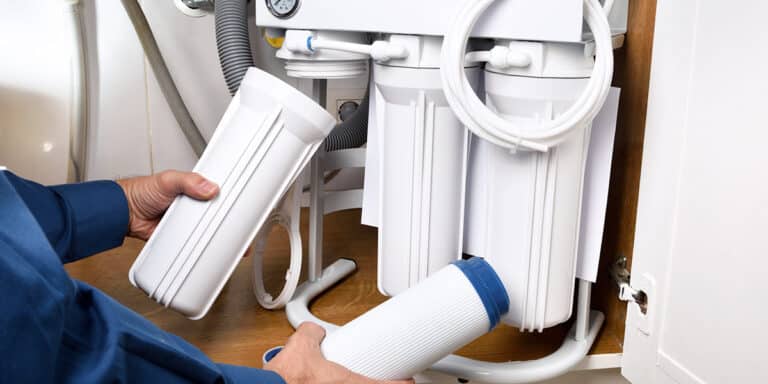
Some water quality issues affect the water you drink most often, while others impact water throughout your home. Drinking water systems can address concerns like taste, odor, sediment and certain contaminants at a dedicated tap. Depending on your test results, your water treatment professional may also recommend whole-home filtration to improve water quality at every faucet.
UV Disinfection
Bacterial contamination requires a different approach than chemical or mineral issues. For well water users concerned about bacteria, a UV disinfection system is the right choice. Ultraviolet light helps neutralize bacteria, viruses and other microorganisms without adding chemicals to your water.
Acid Neutralizers
Acidic water with low pH levels corrodes copper pipes and water heaters, releasing metals into your water and shortening equipment life. If your water is acidic (low pH), an acid neutralizer can protect your plumbing by raising the pH to neutral levels.
Take the First Step Toward Safer, Cleaner Water With CGC Home Services
Understanding your home’s water quality is an essential step toward safeguarding your family’s health and preserving your home’s most important assets. At CGC Home Services, we can help you get the answers you need through our free water test and comprehensive, expert consultation.
For 80 years, we have provided professional water treatment systems to homeowners throughout Michigan, Florida and the Carolinas. We combine responsive service with expert knowledge to guide you from testing through tailored solutions.
As an authorized, independent Kinetico® dealer, we offer premium water treatment systems backed by proven technology. Contact CGC Home Services or call 800-633-7114 to schedule your comprehensive water analysis.