When faced with unexpected plumbing trouble, you might want to grab your toolbox. That sudden gurgle from your pipes or the shocking realization your water heater has quit can quickly turn calm into chaos. But knowing when to DIY emergency plumbing repairs or when to call the pros immediately can save you from costly mistakes and water damage to your home.
Understanding Plumbing Emergencies
A plumbing problem is considered an emergency when immediate attention or repair is required. Think of burst pipes and how the sudden release of excessive amounts of water can cause flooding and damage your walls, floors and electrical systems. Some emergency plumbing situations can also pose health or safety risks, such as sewage backups. Plumbing issues that disrupt essential home functions can also qualify as emergencies.
Emergency Plumbing Repairs You Can DIY to Limit Damage
A plumbing emergency demands quick action. As a homeowner, you may not be equipped to fix every plumbing problem, but you can take some steps to address minor issues or limit damage until help arrives.
Overflowing Toilets
When water is spilling over the brim of the toilet bowl or tank, you have an overflow problem. It can be caused by a blockage in the drain or by a broken internal part, such as a stuck fill valve.
If you’re dealing with a clog, you need to locate and turn off the water supply valve. The small knob is usually behind the toilet or beside it, near the floor. Once you’ve cut off the water supply, it should be safe to use a plunger or a basic drain snake to clear the blockage. Avoid harsh chemical cleaners, as they can damage pipes. If the clog doesn’t clear, avoid flushing again and call a plumber for professional toilet repair.
Small Water Leaks
For small drips or leaks, you can often place a bucket or towel to catch the water and prevent further damage to your floors and cabinets. If it’s a small pipe leak, you can temporarily wrap it with repair tape or a clamp. But both of these are temporary fixes.
The average family can waste 9,400 gallons of water a year due to household leaks, so they need to be addressed correctly and immediately to protect your wallet and your home from water damage. Fixing leaks at the source often involves replacing plumbing fixtures, parts or entire pipes, and that requires professional-level expertise.
Minor Drain Clogs
Many common clogs are caused by hair, soap scum or small food particles and can be resolved with a few simple methods. If you’re dealing with grease or soap scum clogs in sinks, try running hot tap water with dish soap to help loosen the residue. Do not use boiling water, as it can damage PVC pipes or soften seals. A plunger can also be effective for clearing clogs in sinks, bathtubs and showers.
If the DIY methods don’t work after a few attempts, you might be dealing with a more serious problem that requires a professional inspection and advanced drain cleaning.
When to Call the Professionals for Emergency Plumbing Repair
While it’s understandable to want to save money or fix the issue yourself, many plumbing emergencies require specialized tools and experience to repair safely. Trained plumbers have the expertise to accurately diagnose the problem and deliver safe, code-compliant repairs that last.
Here are plumbing emergencies that require professional attention:
Major Water Leaks and Burst Pipes
Both extensive leaks and burst pipes are major emergencies that pose an immediate threat of significant water damage. Turn off your home’s main water supply valve to prevent extensive flooding and structural damage. Then call a plumber for leak or burst pipe repair without delay.
No Hot Water
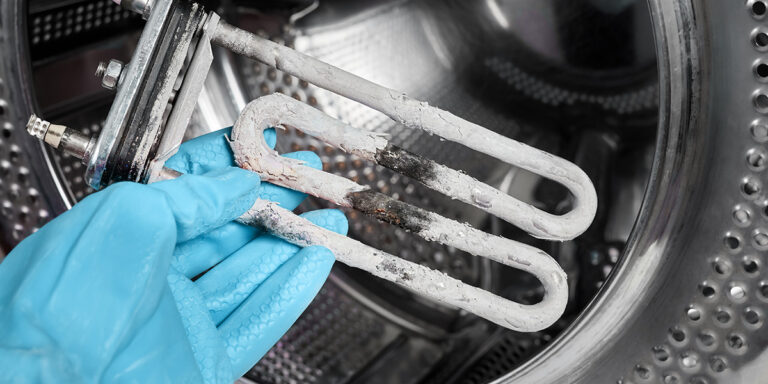
A lack of hot water can be caused by water heater failures, such as a faulty heating element, leaks, a malfunctioning thermostat, or a failed pilot light. Either way, a professional is needed to pinpoint the cause and complete the necessary repairs or replace parts correctly.
Low Water Pressure
If your entire house experiences a significant and sudden drop in water pressure, it could indicate a serious leak in your main water line or an issue with your municipal water supply.
Sewage Backups
Sewer line backups bring raw sewage into your home, posing serious health risks from bacteria and other pathogens. Plumbers use specialized equipment, such as sewer cameras for locating blockages and hydro jetting equipment for clearing stubborn buildup. They also have the expertise to repair or replace a damaged sewer line if that’s the cause of the backup.
Sump Pump Failure
A failing sump pump can cause immediate basement flooding, especially during heavy rains. Flooding needs to be stopped quickly to avoid extensive structural damage and rapid mold growth. Professionals can handle sump pump replacement and address electrical issues or the underlying drainage problems that are causing the malfunction.
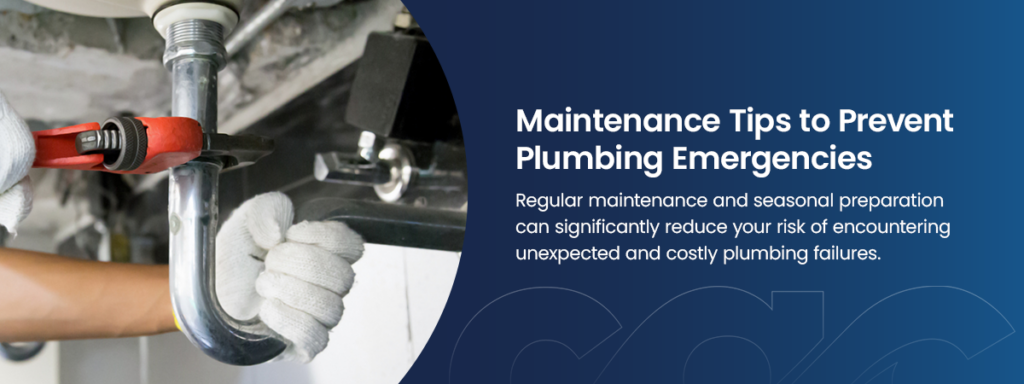
Maintenance Tips to Prevent Plumbing Emergencies
The best way to handle an emergency plumbing situation is often to prevent it from happening in the first place. Regular maintenance and seasonal preparation can significantly reduce your risk of encountering unexpected and costly plumbing failures.
Winter Preparation
Before freezing temperatures hit, here’s what you need to do to prepare your plumbing for the cold season:
- Insulate exposed pipes in unheated areas like crawl spaces, attics and basements.
- Disconnect and drain outdoor hoses to prevent freezing and bursting spigots.
- Keep indoor temperatures comfortable, even when you’re not home.
- Let faucets drip slightly during extreme cold to maintain water flow and prevent freezing.
Spring Checks
As the weather warms, it’s a good time to inspect your plumbing for any winter damage and prepare for spring:
- Inspect exposed pipes in basements, crawl spaces and under sinks for any new leaks or drips.
- Turn on outdoor spigots slowly, then check visible pipes for leaks.
- Test your sump pump by pouring a bucket of water into the pit.
- Flush out your drains with hot water to clear any minor blockages and look out for slow drainage.
Summer Maintenance
Summer often involves increased water use, so making sure your plumbing systems are water-efficient and secure is essential:
- Check under indoor sinks regularly, as high summer heat can cause pipes to expand and develop micro-leaks.
- Inspect sprinkler systems for even spray patterns or water pooling.
- Avoid putting grease, fibrous vegetables or heavy food scraps down the garbage disposal.
- Ensure gutters and downspouts are clear of debris to direct rainwater away from your home’s foundation.
Fall Upkeep
As temperatures drop with the fall season, maintenance becomes about preparing your plumbing for colder weather:
- Detach all garden hoses from outdoor spigots to prevent water from becoming trapped and freezing, which can crack the pipes.
- Shut off the interior valve leading to outdoor faucets, then open the outdoor spigots completely to drain remaining water.
- Clean your gutters and downspouts to prevent blockages that can lead to pooling and structural damage.
- Inspect your water heater for any signs of leaks or corrosion, and schedule a routine flush.
Partner With CGC Home Services for Your Emergency Plumbing Needs
When you face an emergency plumbing situation that you can’t handle on your own, knowing who to call makes all the difference. CGC Home Services has been helping homeowners for over 80 years and provides prompt and professional plumbing solutions across Michigan, Florida and the Carolinas.
Our experienced team is ready to tackle a wide range of plumbing emergencies, from burst pipe repair to water heater failures. Call us at 800-633-7114 or contact us online to request help from our responsive team.