
A growing environmental and public health issue revolves around per- and polyfluoroalkyl substances (PFAS), which exhibit widespread contamination in global water sources. These human-made chemicals, employed in diverse industrial applications since the 1940s, are renowned for their resistance to heat, water, and oil. Despite their utility, the persistent presence of PFAS in the environment has sparked concerns about adverse health effects. This article explores the pathways and sources through which PFAS infiltrate drinking water, becoming a direct route for these harmful substances to enter the human body.
Understanding PFAS
PFAS consist of thousands of synthetic compounds, but two of the most studied and notorious members are perfluorooctanoic acid (PFOA) and perfluorooctane sulfonate (PFOS). These chemicals have been extensively used in the production of non-stick cookware, water-repellent fabrics, firefighting foams, and various industrial processes. Due to their stable chemical structure, PFAS are highly resistant to degradation in the environment, earning them the label “forever chemicals.”
Migration from Industrial and Manufacturing Sites
One significant source of PFAS contamination in drinking water stems from industrial and manufacturing activities. Facilities involved in the production of textiles, electronics, and firefighting foams have historically used PFAS in their processes. Over time, improper disposal practices, accidental releases, and inadequate waste management have led to the seepage of PFAS into the soil and groundwater.
Contaminated groundwater is a primary concern, as it serves as a source of drinking water for many communities. PFAS can migrate through the soil and aquifers, persisting for years and even decades. This long-term presence in the subsurface allows PFAS to gradually leach into drinking water supplies, putting the health of unsuspecting communities at risk.
1. Aerial Deposition and Atmospheric Transport
Beyond industrial sites, PFAS can also find their way into drinking water through atmospheric transport. Airborne PFAS particles can travel considerable distances and deposit onto water bodies, soil, and vegetation. This process, known as atmospheric deposition, is particularly concerning as it allows PFAS to integral sources of drinking water for many communities. In areas where atmospheric deposition is prevalent, even water sources located far from direct industrial activities can become contaminated with PFAS.
The widespread nature of atmospheric transport means that PFAS contamination is not limited by geographical proximity to industrial sites. It can affect communities in rural and urban areas alike, highlighting the pervasive reach of these persistent chemicals. This form of contamination emphasizes the need for comprehensive strategies and regulations to address PFAS at a broader, systemic level.
2. Landfills and Waste Disposal
The improper disposal of products containing PFAS, such as consumer goods and industrial waste, contributes significantly to the contamination of water sources. Landfills become reservoirs of PFAS when products containing these chemicals are discarded without proper consideration for their environmental impact. PFAS can leach from landfills into the surrounding soil and groundwater, gradually making their way into nearby rivers, lakes, and underground aquifers.
Landfills are particularly problematic because they may receive a wide array of waste, including products that were not initially designed to contain or release PFAS. As a result, even seemingly unrelated items can introduce these harmful chemicals into the environment. This uncontrolled release poses a considerable challenge for managing and preventing PFAS contamination, requiring improved waste management practices and regulatory measures.
3. Runoff from PFAS-Contaminated Sites
Surface water bodies are vulnerable to PFAS contamination through runoff from contaminated sites. Rainwater can wash PFAS-containing substances from roads, parking lots, and other surfaces into nearby rivers and lakes. This runoff is a direct pathway for introducing PFAS into surface water, which may serve as a source of drinking water for downstream communities.
Common sources of PFAS in runoff include road surfaces treated with PFAS-containing de-icing agents, as well as firefighting training sites where PFAS-based foams are used. In regions with heavy precipitation, the risk of runoff-induced contamination is heightened, amplifying the potential exposure of communities to PFAS through their drinking water.
4. Biosolids and Agricultural Practices
Another less-discussed but significant pathway for PFAS introduction into water sources is through the use of biosolids in agriculture. Biosolids, which are treated sewage sludge, are often applied as fertilizer on agricultural fields. When wastewater treatment plants receive effluent from industrial facilities or households where PFAS-containing products are used, the biosolids may contain elevated levels of PFAS.
When these PFAS-laden biosolids are applied to fields, the chemicals can leach into the soil and ultimately contaminate groundwater or surface water bodies. Additionally, crops grown in PFAS-contaminated soil may uptake these chemicals, further amplifying the risk of human exposure through the food chain.
The infiltration of PFAS into drinking water is a multifaceted issue with far-reaching implications for public health. The persistence and mobility of PFAS in the environment, coupled with their ability to traverse various pathways, make them a formidable challenge to manage and mitigate.
Addressing the problem requires a comprehensive approach that includes stringent regulations, responsible industrial practices, improved waste management, and proactive monitoring of water sources. Research into alternative materials and processes that do not rely on PFAS is crucial for preventing further contamination.
As communities grapple with the consequences of PFAS contamination, it is imperative to prioritize the development and implementation of sustainable solutions to saferguard our most precious resource—cleaner and safer drinking water.
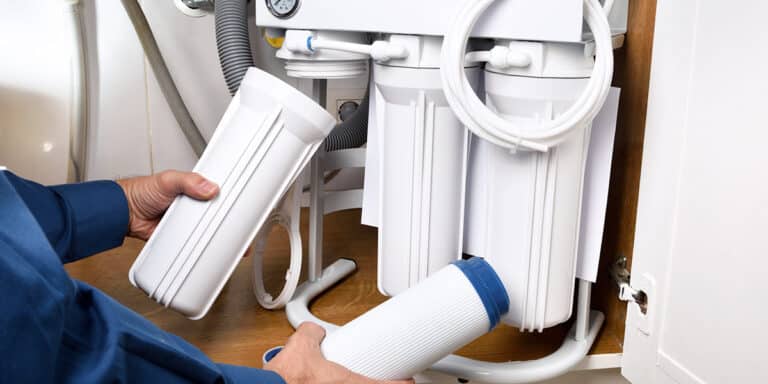
As we navigate the intricate web of PFAS contamination in drinking water, it becomes evident that proactive measures and reliable solutions are imperative to protect communities and preserve water quality.. With a commitment to delivering cutting-edge water treatment solutions, CGC Water stands as a beacon in the fight against PFAS in drinking water in Ann Arbor.
For residents in areas particularly affected, such as PFAS in drinking water in Ann Arbor, CGC Water’s state-of-the-art filtration technologies offer a beacon of hope. By integrating advanced filtration systems into municipal water treatment processes, CGC contributes to minimizing the presence of PFAS, ensuring that residents have access to cleanerer and saferr drinking water.
In the pursuit of a PFAS-free future, CGC Water’s dedication to innovation aligns seamlessly with the urgent need for effective solutions. As communities continue to confront the challenges posed by PFAS contamination.
Understanding the pathways and sources of PFAS in drinking water in Ann Arbor is crucial, and it is equally vital to acknowledge the role of companies in providing actionable solutions. By staying informed, advocating for stringent regulations, and embracing innovative water treatment technologies, we pave the way for a future where cleaner and safer drinking water is a reality for all.